
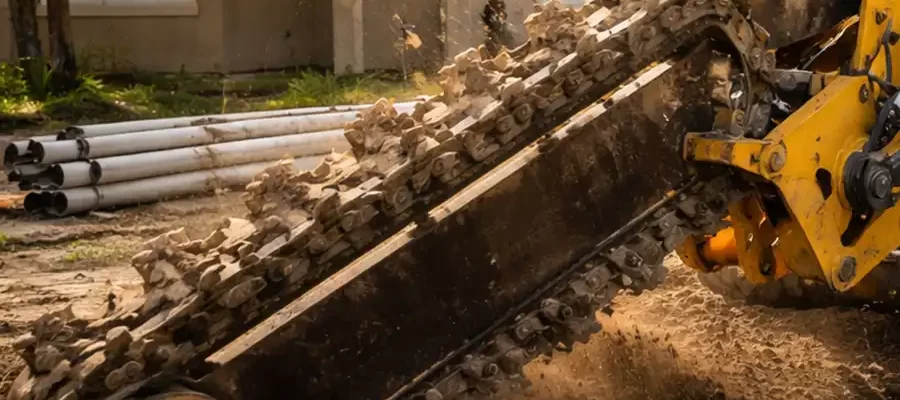

Winter is the ideal time for DIY homeowners in Atascadero, Paso Robles, Templeton, and Morro Bay to start preparing their gardens for spring. Whether you’re planting vegetables, fresh flowers, or transforming your backyard soil, a rototiller is the fastest, most effective tool for breaking up compacted dirt and turning it into soft, workable soil.
If you don’t own one, Glenn’s Rentals offers high-quality rototillers perfect for home gardens, landscaping jobs, and larger soil-prep projects.
Why a Rototiller Matters for Spring Garden Prep
Healthy plants start with healthy soil. Over the year, your garden bed becomes compacted by rain, foot traffic, and natural settling. A rototiller:
- Breaks up hard soil
- Aerates the ground
- Incorporates compost and soil amendments
- Helps with weed control
- Prepares a smooth, level planting surface
Whether you’re creating a brand-new garden bed or refreshing an older one, tilling is one of the most important early-season steps.
When to Start Tilling in Central California
Thanks to mild winters, Central California homeowners can begin garden prep earlier than most regions. Ideal conditions:
- Soil is slightly moist, not soggy
- Rainfall has loosened top layers
- Cold temperatures have killed off weeds
- You’re still weeks away from planting season
Late winter is the perfect time to break ground and get your soil in shape.
Very Detailed Step-by-Step: How to Use a Rototiller
Below is an extremely thorough how-to guide designed to educate homeowners and beginners. This version also includes natural callouts to rototiller rentals from Glenn’s Rentals.
1. Choose the Right Rototiller for Your Garden Size
Before renting a rototiller:
- Front-tine rototillers are great for small gardens and lighter soil.
- Rear-tine rototillers are better for larger areas or heavy, compacted clay.
- Mid-tine tillers offer balance for medium projects.
Glenn’s Rentals can help you choose the correct size based on your soil type and the square footage of your garden bed.
2. Clear the Area First
Remove surface debris such as:
- Rocks
- Old roots
- Sticks
- Weeds
- Large clumps of grass
This prevents damage to the tiller and ensures smoother operation.
3. Mark the Tilling Area
Use landscape flags, rope, or a simple outline with your shovel. Marking keeps your tilling paths straight and ensures you cover the entire garden space.
4. Pre-Moisten the Soil (If Needed)
Rototillers work best when soil is moist and crumbly, not dry or muddy.
A good test:
Grab a handful of soil — it should break apart easily but still feel damp.
If it’s too dry, lightly water the area 24–48 hours before tilling.
5. Add Compost or Soil Amendments Before You Till
To improve soil quality:
- Add compost
- Add aged manure
- Add gypsum or soil conditioners
- Add organic fertilizers
Tilling will mix these amendments uniformly throughout the soil.
6. Position the Rototiller Properly
Stand behind the machine, making sure:
- The tines are lifted and not yet touching the soil
- The depth bar (if included) is set to a shallow starting point
- The machine is on flat, stable ground
Grip the handles firmly and stay balanced.
7. Start the Rototiller and Let It Warm Up
Most rototillers start like a lawnmower:
- Turn on the fuel valve
- Engage the choke
- Pull the cord or press the electric start
- Let the machine warm for 30–60 seconds
This ensures smooth power delivery once you begin tilling.
8. Begin Your First Pass Slowly
Lower the tines into the soil and allow the rototiller to move forward under its own power. Do not force the machine.
Move slowly and let the tines dig deep. The goal for the first pass is to break up the top layer.
9. Overlap Each Pass for Even Soil Prep
Just like mowing a lawn:
- Overlap your rows by several inches
- Move in straight lines
- Keep a steady pace
This ensures you don’t miss areas or create uneven soil texture.
10. Increase Depth for the Second Pass
After your initial pass:
- Lower the depth bar
- Make a second, deeper pass at a perpendicular angle
- Allow the tiller to mix compost and amendments into the soil
This cross-tilling method creates a fine, well-blended seedbed.
11. Tackle Hard or Compacted Areas Slowly
For tough clay or rocky patches:
- Make multiple shallow passes
- Allow the tiller to work gradually
- Avoid forcing it downward
A rear-tine tiller from Glenn’s Rentals is ideal for this job.
12. Smooth and Level the Soil
When the whole area is tilled:
- Rake the soil flat
- Break up any remaining clumps
- Remove newly exposed rocks or roots
- Shape raised beds if desired
Your garden is now ready for planting season.
13. Clean and Return the Rototiller
Before returning your rental:
- Clean off soil from the tines
- Wipe dirt off the frame
- Check for tangled roots or debris
Glenn’s Rentals appreciates properly cleaned returns—plus it helps ensure the machine stays in excellent condition for the next project.
Conclusion: Start Your Garden Right This Spring
Prepping your garden with a rototiller is one of the smartest ways to improve soil structure and grow healthier plants. Whether you’re a seasoned gardener or a DIY homeowner, winter and early spring are the best times to break ground in Central California.
When you’re ready to get started, Glenn’s Rentals has reliable rototillers available to help make the job easier, faster, and more efficient.
Short Summarized How-To
How to Use a Rototiller to Prep Your Garden for Spring
- Choose the Right Rototiller
Select a front-, mid-, or rear-tine model based on garden size and soil type.
- Clear and Mark the Area
Remove rocks, roots, weeds, and debris, then outline the space you plan to till.
- Prepare the Soil
Ensure soil is lightly moist and add compost or amendments before tilling.
- Start and Operate the Rototiller
Lower the tines, start the engine, and make slow, overlapping passes across the garden.
- Make Multiple Passes
Increase depth and cross-till the area to thoroughly break up and aerate the soil.
- Finish and Clean Up
Rake the soil level, remove leftover debris, and clean the rototiller before returning it.
Glenn’s Rental and Repair
Related Posts
