
Deciding whether to rent or buy construction equipment is a big choice for contractors and DIYers in California. With high upfront costs, ongoing storage expenses, complex tax laws, and state-specific regulations, the decision isn’t just about price—it’s about when and how you work. This guide breaks down the key factors so you can decide confidently.
Understanding the Basics: Renting vs Buying
At first glance, buying gear might seem like an investment—you own the equipment outright and can use it whenever you want. But in California, the reality is rarely that simple.
Renting Equipment
Renting means paying a daily, weekly, or monthly fee to use a machine. The benefits include:
- Lower upfront cost
- No long-term maintenance responsibility
- Flexibility to choose the right tool for each job
- No need for permanent storage
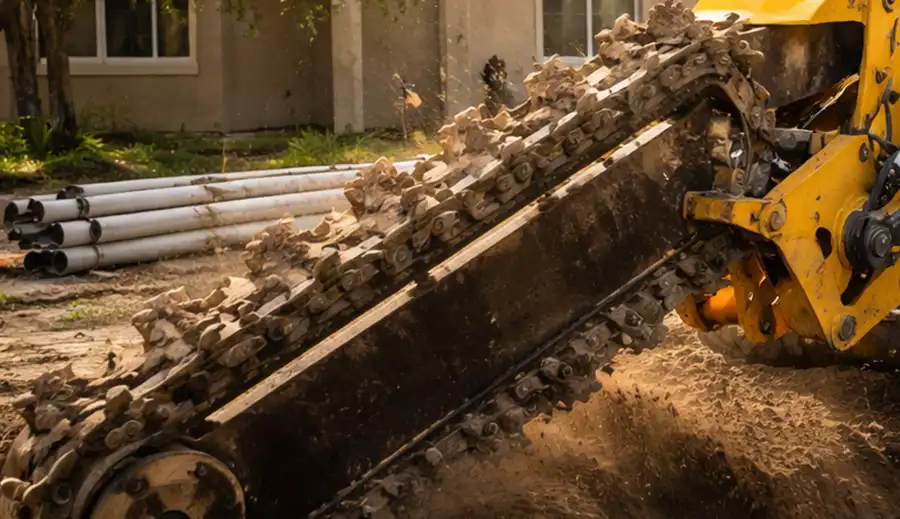
For example, if you’re tackling one-off jobs or seasonal work, choosing trencher rentals in California or earthmoving equipment rentals can save thousands compared with buying gear you rarely use.
Buying Equipment
Buying typically makes sense if:
- You’ll use the machine very often
- You have space to store and maintain it
- You want an asset on your balance sheet
However, in California especially, additional costs often outweigh the perceived benefits.
Key Cost Factors to Compare (Rent vs Buy Equipment CA)
1. Upfront Purchase Price
Buying construction gear is expensive. Heavy machinery like excavators, trenchers, or loaders can cost tens of thousands of dollars. Even smaller tools require significant capital.
📌 Renting: Pay only what you need, when you need it.
📌 Buying: Large upfront investment that may sit idle.
2. Storage and Yard Costs
California real estate is pricey. Whether you’re in Los Angeles, the Bay Area, or San Diego, space doesn’t come cheap.
- Renters: No long-term storage required.
- Owners: Must pay for secure storage, fencing, insurance, and sometimes permits—especially for commercial vehicles.
💡 Many contractors underestimate how much storage inflates overall ownership costs.
3. Maintenance and Repairs
Heavy equipment needs upkeep. Even new gear requires regular servicing.
- Renters: The rental provider handles maintenance, saving time and unexpected costs.
- Owners: Must schedule, pay for, and manage every repair.
Imagine owning a trencher with a broken blade in the middle of a job—rental equipment can be swapped out almost immediately.
4. Taxes and Fees in California
California is known for complex tax rules:
Sales Tax
- Buying equipment triggers sales tax at the point of sale.
- Renting often only incurs use tax, which may be lower or handled by the rental company.
Property Tax
- Owned equipment may be subject to personal property tax in some counties.
Registration and Permits
- Some heavy gear needs DMV registration if it travels on public roads.
- Permits and compliance with California’s emission standards (e.g., CARB) can add costs.
👉 These tax and compliance costs frequently tip the scales toward renting.
When Renting Clearly Wins
Here are the scenarios where renting equipment in California makes more sense:
Short-Term Projects
If your job lasts weeks or a few months—like utility install, trenching for irrigation, or small earthworks—renting is usually cheaper.
Example rentals that fit this model:
Infrequent or Seasonal Use
Contractors who work seasonally (e.g., landscaping in spring/summer) often find buying equipment means it sits idle half the year—still costing money in maintenance and storage.
Renting matches your usage, reducing waste.
Projects Needing Specialized Gear
Not every job requires the same tools. Renting lets you choose the best machine for each specific task—rather than owning a general-purpose tool that’s not quite right.
You can rent heavy-duty items like:
- Trenchers for utility lines
- Skid steers for material handling
- Mini-excavators for tight spaces
Cash Flow Management
Renting keeps your cash free for other business needs like payroll, materials, or marketing. For small businesses, preserving capital is often more valuable than owning expensive machinery.
When Buying Still Makes Sense
Renting wins in many cases—but buying can be better when:
✔ You Use the Equipment Frequently
If you’re digging trenches every week or doing earthwork constantly, owning might cost less over several years.
✔ You Have Storage and Maintenance Setup
If you already have a yard with room for equipment and mechanics on staff, ownership becomes more feasible.
✔ Long-Term Tax Planning Works in Your Favor
Some businesses benefit from depreciation and tax write-offs when purchasing equipment, especially if they qualify for accelerated depreciation under U.S. tax law.
💡 Always consult with a tax professional about California-specific state deductions and credits.
Real Examples: Breaking Down the Numbers
Here’s a simplified comparison (illustrative):
| Factor | Renting | Buying |
|---|---|---|
| Upfront Cost | $0 (daily/weekly fee) | $30,000+ |
| Storage | Included | $200–$600/month |
| Maintenance | Included | $1,000+/year |
| Taxes | Low (use tax) | Sales & property tax |
| Flexibility | High | Low |
In many typical California projects, renting ends up 30–50% cheaper over the first year.
Regulations That Affect Your Decision in California
California Air Emissions (CARB)
California Air Resources Board (CARB) rules require certain diesel equipment to meet emissions standards. Older owned machines may need retrofits or replacements to comply.
✨ Rental fleets are more likely to have up-to-date, compliant units—saving you from unexpected retrofit costs.
Cal/OSHA Safety Standards
Whether owned or rented, equipment must meet safety standards. Renting from reputable providers ensures machines arrive with current safety checks and documentation.
Tips to Maximize Savings When Renting
Here are a few pro strategies:
Book Early
Reserve equipment ahead of time to lock in lower rates and ensure availability.
Bundle Rentals
Some companies offer discounts when you rent multiple tools for the same job.
Compare Local Suppliers
Not all rental firms price the same. Especially in California metros or remote areas, compare several providers.
Check for Damage Fees
Understand what’s covered in the rental agreement—some providers include wear & tear, others charge extra.
Summary: Making the Right Choice
| Situation | Best Choice |
|---|---|
| One-off jobs | Rent |
| Seasonal or occasional use | Rent |
| Needing specialized tools | Rent |
| Constant, heavy usage | Buy may be viable |
| Tight cash flow | Rent |
In California’s high-cost, high-regulation environment, renting often wins. Especially if you choose the right gear like trencher rentals or earthmoving equipment rentals, you’ll reduce risk, avoid large capital outlays, and stay compliant—with less hassle.
Glenn’s Rental and Repair
FAQ’s
Does renting help with taxes in California?
Yes. Renting usually means paying a use tax (often handled by the rental company), avoiding large sales tax and potential property tax on owned equipment.
What’s the benefit of rent vs buy equipment CA for small contractors?
It preserves cash flow, lets you match tools to each job, and eliminates storage and maintenance costs.
Can I rent heavy equipment like excavators or trenchers?
Absolutely—many rental centers in California supply heavy gear including trencher rentals in California and earthmoving equipment rentals.
Will rentals meet California emissions standards?
Reputable rental companies maintain fleets to comply with CARB regulations—often better than older owned equipment.
Is there a minimum rental period?
Rates vary; many vendors offer daily, weekly, and monthly pricing. Longer terms usually lower the daily rate.
How do I choose between rental providers?
Compare availability, pricing, delivery options, and maintenance policies.
If you’re weighing Rent vs Buy Equipment CA, crunch the numbers, factor in storage and taxes, and think about how often you’ll actually use the gear. For many California professionals, renting is the smarter, leaner choice.
Related Posts