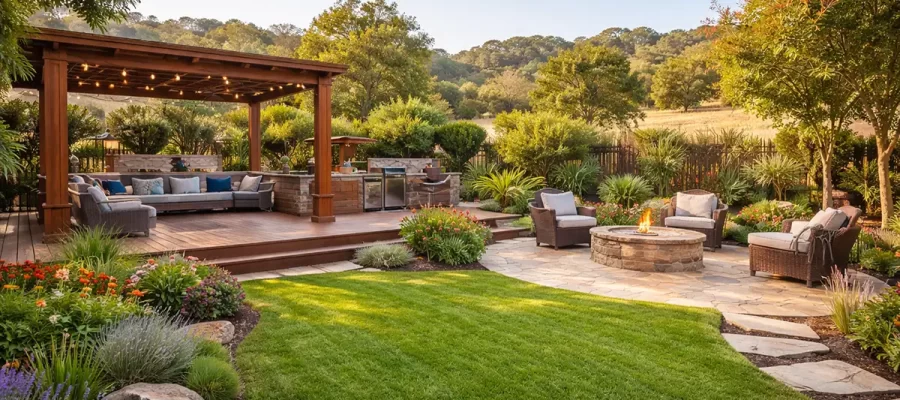
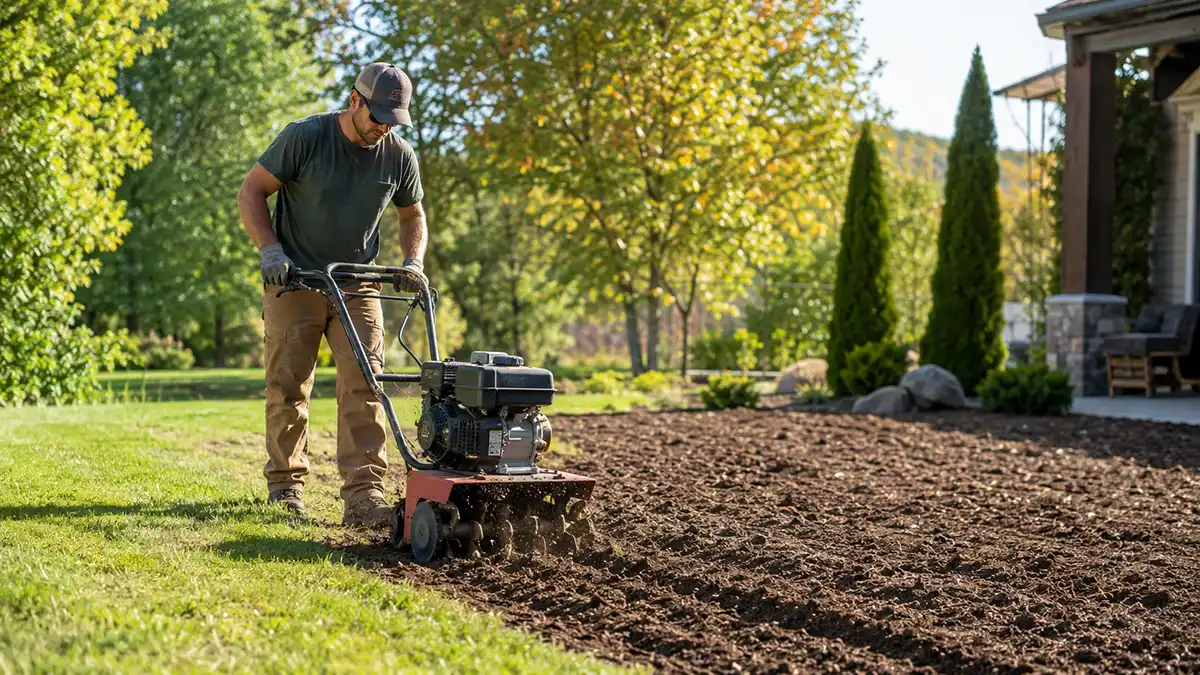
Summary: Many landscaping projects that traditionally cost thousands of dollars can be completed by homeowners using rental equipment. Jobs such as grading a yard, removing tree stumps, repairing gravel driveways, trenching for irrigation, lawn renovation, fence installation, and brush clearing can often be completed in a weekend with the right tools. Renting equipment allows property owners to achieve professional results while significantly reducing labor costs and contractor expenses.
Landscaping projects are among the most rewarding home improvements a property owner can undertake. A well-maintained yard improves curb appeal, increases usable outdoor space, enhances drainage, and can even increase property value. Unfortunately, many homeowners postpone major landscaping improvements after receiving contractor estimates that run into the thousands or even tens of thousands of dollars.
What many property owners discover is that labor often represents the largest portion of those project costs. While certain jobs require licensed professionals, many landscaping projects can be completed successfully by homeowners willing to invest a weekend of work and use the right equipment.
Throughout California’s Central Coast, homeowners regularly tackle lawn renovations, drainage corrections, irrigation installations, driveway repairs, brush clearing, and garden construction themselves. Access to professional-grade rental equipment makes many of these projects practical for property owners who would otherwise hire contractors.
The following landscaping projects frequently carry substantial contractor labor costs but can often be completed successfully by homeowners with proper planning and equipment.
Why Landscaping Labor Costs Continue to Rise
Landscaping labor rates have increased significantly over the past several years. Contractor costs typically include labor, equipment transportation, insurance, fuel, maintenance, overhead expenses, and profit margins. While these services provide value, homeowners are often surprised to learn that the actual equipment cost represents only a small portion of the project estimate.
For example, a contractor performing lawn renovation may charge for multiple crew members, transportation time, equipment loading, unloading, and cleanup. A homeowner performing the same project may only need temporary access to specialized equipment for a single day.
This is why many property owners choose equipment rentals for projects that require machinery only once every few years. Rather than purchasing expensive equipment that will sit unused, renting provides access to professional tools when they are needed.
Correcting Yard Drainage Problems Before They Become Expensive Repairs
Poor drainage is one of the most common landscaping problems homeowners face. Standing water can damage lawns, create muddy conditions, kill vegetation, and contribute to foundation concerns over time.
Many drainage issues can be corrected by reshaping portions of the yard, creating drainage channels, installing French drains, or redirecting runoff away from structures. These improvements often require soil movement and trenching work that would be difficult using hand tools alone.
Homeowners planning drainage improvements often benefit from using equipment designed for excavation and trenching tasks. If your project involves underground drainage systems, our Trencher Rental equipment can help create consistent trenches while significantly reducing manual labor.
Addressing drainage problems early often prevents larger and more expensive repairs later.
Installing an Irrigation System for Better Water Efficiency
Water conservation remains a priority for many California homeowners. Modern irrigation systems help reduce water waste while keeping landscapes healthy during warmer months.
One reason homeowners hire contractors for irrigation work is the trenching required to install underground lines. However, trenching is often the most labor-intensive part of the project rather than the most technically difficult.
By carefully planning sprinkler zones and using appropriate equipment, many homeowners successfully install their own irrigation systems. Property owners frequently use our Trencher Rentals to install irrigation lines, drip systems, landscape lighting conduit, and drainage improvements.
A properly installed irrigation system can improve landscape health while reducing long-term water consumption.
Reviving Thin, Compacted, or Struggling Lawns
Many homeowners assume a declining lawn requires complete replacement. In reality, compacted soil is often the underlying problem.
Over time, foot traffic, weather, pets, and equipment compress soil, reducing airflow and limiting root development. Grass struggles because water, nutrients, and oxygen cannot reach the root zone effectively.
Core aeration removes plugs of soil and creates openings that improve root growth and nutrient absorption. Aeration is often recommended before overseeding and fertilization.
Homeowners looking to improve lawn health often use our Aerator Rental equipment to restore compacted lawns and encourage healthier grass growth without the expense of complete lawn replacement.
Aeration is frequently one of the highest-return landscaping improvements available.
Preparing Garden Areas and Planting Beds
Creating new planting beds, vegetable gardens, or landscape borders often requires substantial soil preparation. Many Central Coast properties contain compacted soil that can make planting difficult.
Proper soil preparation improves root establishment, water retention, and long-term plant health. Breaking up compacted soil also allows compost and amendments to mix more effectively.
For larger planting projects, our Tiller Rental equipment can help homeowners prepare planting areas efficiently while reducing physical labor. Whether you’re building raised beds, expanding a vegetable garden, or redesigning landscape areas, proper soil preparation establishes a strong foundation for success.
Healthy plants begin with healthy soil.
Replacing an Entire Lawn
Some lawns have reached a point where renovation is no longer practical. Years of neglect, poor irrigation coverage, invasive weeds, disease, or extensive damage may justify complete replacement.
Removing old turf manually can be one of the most exhausting parts of the process. Professional sod cutters allow homeowners to remove existing grass quickly while preserving soil structure.
Many property owners use our Sod Cutter Rental equipment when converting lawns, installing new sod, creating drought-tolerant landscapes, or redesigning outdoor spaces.
Proper site preparation before installing new sod often determines how successful the finished lawn will be.
Removing Tree Stumps After Tree Removal
Tree removal often leaves behind a large stump that creates ongoing challenges. Stumps interfere with mowing, attract pests, limit future landscaping options, and create visual obstacles within the landscape.
Manual stump removal is labor-intensive and frequently involves extensive digging. Grinding the stump below grade is often the most efficient solution.
Homeowners completing landscape renovations frequently utilize our Stump Grinder Rental equipment to remove unwanted stumps without disrupting large sections of the surrounding yard.
Removing old stumps opens new possibilities for planting, lawn expansion, and landscape redesign.
Clearing Overgrown Areas and Reclaiming Usable Space
Many properties contain neglected sections that have become overgrown with brush, weeds, invasive vegetation, or volunteer growth.
Property owners often underestimate how much usable space can be recovered through vegetation management. Overgrown areas can hide drainage issues, reduce property accessibility, and create fire concerns during dry seasons.
For heavy vegetation management, homeowners frequently choose our Brush Cutter Rental equipment to clear dense growth more efficiently than handheld tools alone.
Reclaiming neglected areas often creates opportunities for new gardens, recreational spaces, storage areas, or future landscape improvements.
Repairing Gravel Driveways and Access Roads
Gravel driveways naturally develop ruts, washouts, potholes, and uneven surfaces over time. Heavy rainfall, vehicle traffic, and erosion gradually degrade the surface.
Many homeowners assume complete reconstruction is necessary when simple grading and maintenance can often restore the driveway effectively.
Compact equipment allows property owners to redistribute gravel, smooth uneven areas, improve drainage, and restore proper driveway contours.
Regular maintenance often extends driveway life while improving appearance and accessibility.
Installing Landscape Lighting
Landscape lighting improves safety, enhances curb appeal, and extends outdoor living spaces into the evening hours.
Installing low-voltage wiring frequently requires shallow trenching throughout landscape areas. While the wiring itself is straightforward, the excavation process can become time-consuming without proper equipment.
Many homeowners combine lighting installations with irrigation upgrades and drainage improvements to minimize future excavation work.
Building Raised Garden Beds
Raised gardens continue to grow in popularity because they improve drainage, simplify maintenance, and create defined growing areas.
Building multiple raised beds often requires soil movement, grading, excavation, and amendment incorporation. Proper preparation before construction improves long-term garden performance.
Tilling and grading equipment can help establish level surfaces and properly prepared growing areas before installation begins.
Improving Property Drainage Around Structures
Water management remains one of the most important aspects of landscape maintenance. Excess moisture around structures can contribute to foundation concerns, erosion, and landscape damage.
Many homeowners install drainage systems, redirect runoff, or improve grading around their homes. These projects often require trenching, excavation, and soil movement.
Addressing drainage concerns proactively helps protect both landscapes and structures.
Creating New Landscape Features
Landscape improvements such as pathways, decorative rock installations, retaining walls, seating areas, and planting zones often require site preparation before construction begins.
The visible portion of a landscape feature receives most of the attention, but the preparation beneath it frequently determines its long-term performance.
Proper grading, excavation, and soil preparation contribute significantly to successful projects.
Preparing Sites for Outdoor Structures
Sheds, pergolas, greenhouses, and other outdoor structures require stable, level foundations.
Site preparation may involve grading, excavation, vegetation removal, and soil compaction. Investing time in preparation often prevents structural issues later.
Level foundations improve appearance, performance, and longevity.
Why Equipment Rentals Make Sense for Homeowners
Most homeowners do not need to own specialized landscaping equipment. A trencher, aerator, sod cutter, stump grinder, or brush cutter may be used only once every several years.
Renting provides access to professional equipment without the cost of ownership, maintenance, storage, repairs, or transportation concerns. It also allows property owners to choose the right equipment for each specific project.
At Glenn’s Repair & Rental, we help homeowners throughout Atascadero, Paso Robles, Templeton, San Luis Obispo, Morro Bay, Arroyo Grande, and surrounding communities find equipment that matches their project requirements.
Whether you’re renovating a lawn, installing irrigation, removing stumps, clearing brush, or preparing a new landscape installation, the right equipment can transform a challenging project into a manageable weekend improvement.
Final Thoughts
Many landscaping projects that appear overwhelming at first become much more manageable with proper planning and access to professional equipment. While some jobs require specialized contractors, homeowners can often complete substantial landscape improvements themselves while saving significant labor costs.
From lawn renovation and soil preparation to irrigation installation, stump removal, and brush clearing, rental equipment allows property owners to tackle projects efficiently and achieve professional-quality results.
Before hiring a contractor, consider whether your next landscaping project may be a job you can successfully complete yourself.
FAQs
How much money can I save by doing landscaping projects myself?
Savings vary by project, but homeowners often save hundreds or even thousands of dollars by completing labor intensive landscaping work themselves.
What landscaping project provides the biggest return on investment?
Drainage improvements, lawn renovations, driveway repairs, and curb appeal upgrades often provide some of the highest returns.
Is rental equipment difficult to operate?
Many landscaping machines are designed for homeowner use and can be operated safely after receiving instructions.
What equipment is commonly rented for landscaping?
Common rentals include skid steers, compact loaders, aerators, trenchers, stump grinders, augers, and grading equipment.
Can homeowners use trenchers?
Yes. Trenchers are commonly used by homeowners installing irrigation systems, drainage solutions, electrical lines, and landscape lighting.
Is renting landscaping equipment cheaper than hiring a contractor?
For many projects, equipment rental costs represent only a small percentage of contractor pricing because labor is often the largest expense.
What is the easiest landscaping project for beginners?
Lawn renovation, gravel driveway repair, garden bed installation, and simple drainage improvements are often good starting projects.
How long should I rent landscaping equipment?
Most residential projects can be completed within one to three days depending on project size and preparation.
Related Posts