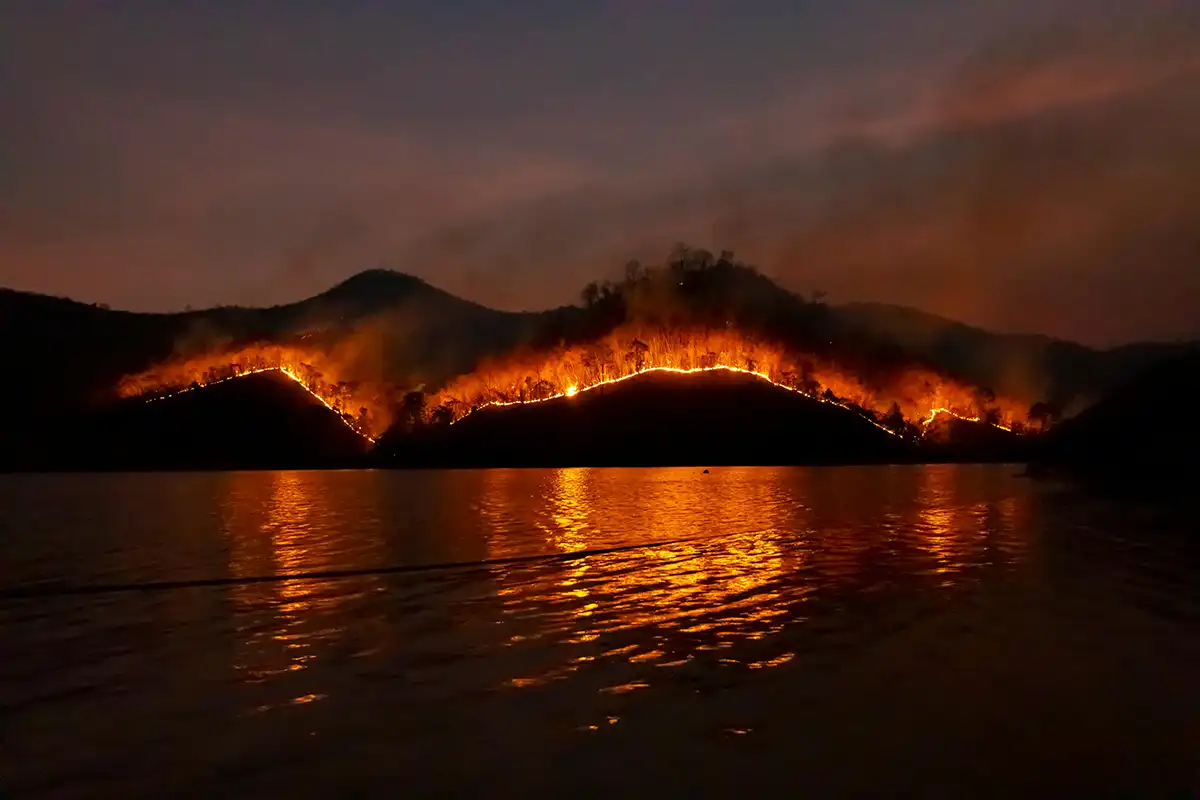
Wildfire season doesn’t end in California—it simply shifts. Even in winter, dry vegetation, wind events, and unexpected warm spells can turn small hazards into fast-moving fires. For homeowners in Atascadero, Paso Robles, and Morro Bay, winter is actually the best time to get ahead of fire risk, clear overgrowth, and bring your property into alignment with CAL FIRE’s defensible-space standards.
If you’ve been meaning to clean up brush, cut back trees, or remove dangerous stumps, this guide walks you through everything you need to know—including how Glenn’s Rentals can supply the equipment to get the job done quickly and safely.
Why Winter Fire Prevention Matters
Winter brings cooler weather and occasional rain, but Central California’s vegetation rebounds fast. By early spring, new growth can dry out, creating dense fuel beds. Clearing your property now:
- Reduces fuel loads before spring growth begins
- Allows easier access (no thick weeds or tall grass)
- Helps meet CAL FIRE’s 100-foot defensible-space requirements
- Prepares rural properties for insurance inspections
- Keeps your home or ranch safer during red-flag wind events
Even coastal areas like Morro Bay—which feel damp—are not immune to ember storms or grass fires.
Understanding CAL FIRE’s Defensible-Space Requirements
CAL FIRE requires homeowners in wildfire-prone zones to maintain 100 feet of defensible space around structures. This includes two main zones:
Zone 1: 0–30 Feet (“Immediate Zone”)
This area must be kept lean, clean, and green, meaning:
- Remove dead plants, leaves, and pine needles
- Trim tree branches at least 10 feet from structures
- Keep roofs and gutters debris-free
- Remove or space small shrubs
- Relocate wood piles outside this zone
Zone 2: 30–100 Feet (“Reduced Fuel Zone”)
The goal here is to slow the spread of fire:
- Cut grasses to four inches or shorter
- Space trees and shrubs to prevent fire laddering
- Remove dead wood, fallen branches, and flash fuels
- Mow or brush-cut tall, dry, or overgrown vegetation
Winter is ideal for this work—vegetation is softer, temperatures are cooler, and it’s easier to safely operate equipment like brush cutters, chainsaws, and stump grinders.
Long “How-To” Guide: Preparing Your Property for Wildfire Prevention in California
Below is a detailed, step-by-step plan you can follow to make your property fire-safe this winter. This also includes a section highlighting the equipment available at Glenn’s Rentals to help you complete the job efficiently.
1. Walk Your Property and Perform a Fire-Risk Assessment
Start with a full walk-around of the home and surrounding land. Take notes on:
- Overgrown brush
- Dead trees or limbs
- Thick weeds or tall grasses
- Invasive or fast-burning shrubs (chamise, manzanita, broom, etc.)
- Problem areas like slopes, wind tunnels, or tight spaces
Look for “ladder fuels,” meaning vegetation that allows fire to climb from the ground into tree canopies. These are your highest-priority areas.
2. Clear Zone 1 (0–30 Feet): Your Home’s Immediate Defense Layer
This is your most important fire-protection area. Focus on:
• Removing combustible materials
Take out dead plants, fallen leaves, dry mulch, and anything that can catch an ember.
• Pruning or removing shrubs close to the home
Choose low-growing, fire-resistant plants if you’re re-landscaping.
• Trimming trees back
Branches must be 10 feet away from roofs, decks, and chimneys. Use a chainsaw to safely cut larger limbs.
• Cleaning gutters and roof valleys
Debris here is a major cause of ember ignition.
3. Reduce Fuel in Zone 2 (30–100 Feet)
This is where Glenn’s Rentals equipment becomes absolutely essential.
• Cut grasses down to 4 inches
Tall, dry grasses are some of the fastest-burning vegetation in California.
• Remove or thin shrubs
If shrubs are packed tightly, fire can run through them. Create spacing.
• Trim up the lower branches of trees (“limbing up”)
This helps prevent ground fire from climbing upward.
• Remove dead trees, downed limbs, or thick overgrowth
This is where having the right equipment makes all the difference.
4. Use Professional-Grade Equipment to Clear Overgrowth (Available at Glenn’s Rentals)
Homeowners in Atascadero, Paso Robles, Templeton, Creston, Santa Margarita, and Morro Bay often face heavy brush and stubborn trees. Renting the right equipment saves enormous time and prevents fatigue.
Here’s how Glenn’s Rentals helps:
Brush Cutters (Ideal for Clearing Thick Vegetation)
Use a brush cutter for:
- Tall, dense weeds
- Chaparral
- Sage and scrub
- Vines and thick undergrowth
A brush cutter powers through material a normal weed-eater can’t handle. This is the tool for Zone 2 clearance.
Chainsaw Rentals (For Tree Trimming & Limb Removal)
Renting a chainsaw helps you safely:
- Remove low branches
- Cut fallen limbs
- Tackle small-to-medium tree felling (with proper safety techniques)
- Clear fire ladders around the home
Glenn’s Rentals offers saw sizes suitable for homeowners and rural property owners alike.
Stump Grinders (Remove Hazardous Stumps Permanently)
Leftover stumps become:
- Fuel sources
- Root sprouting hazards
- Obstacles during evacuation
A stump grinder allows you to remove stumps down to below-grade level, eliminating the fire hazard.
5. Dispose of Debris Safely
Once everything is cut and cleared, avoid creating new fire hazards. Do NOT pile debris next to structures. Instead:
- Chip branches or haul them away
- Compost non-woody material
- Take loads to green-waste facilities
- Follow local burn-day rules (strictly regulated in SLO County)
6. Consider Hardscaping and Fire-Wise Landscaping
Replace combustible materials with fire-resistant alternatives:
- Gravel, rock, and river stone
- Succulent plants
- Native, low-water shrubs spaced widely
- Metal fencing instead of wood near the home
Combined with good vegetation management, this dramatically improves your defensible-space score.
7. Maintain Fire Safety Year-Round
Fire preparedness in California doesn’t end after the cleanup. Make it part of your routine:
- Mow or brush-cut new growth regularly
- Trim trees once per year
- Remove fallen leaves every 1–2 weeks in fire season
- Check CAL FIRE burn restrictions
- Schedule seasonal maintenance reminders
And remember—if the growth comes back heavy in spring, Glenn’s Rentals has the equipment you need for follow-up clearing.
Top Wildfire Prevention Equipment Rental
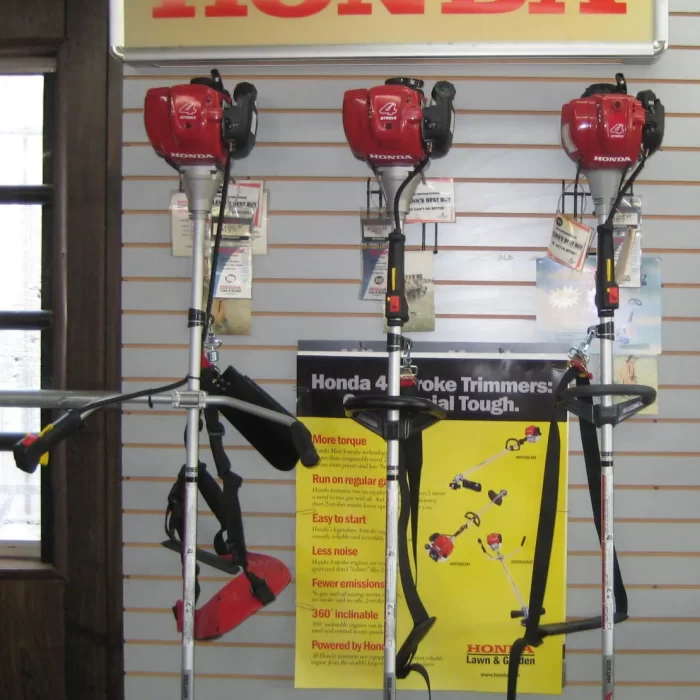
4AH X1 Trimmer Rental
$50.00
Backpack Leaf Blower Rental
$40.00
Billy Goat Brush Cutter Rental
$175.00
Brush Rover / Weed Mower Rental
$350.00
Chainsaw 16″ Rental
$75.00Chainsaw 18″ Rental
$75.00
Cheetah Rental
$65.00
Dethatcher Rental
$85.00Gas Trimmer Rental
$40.00
Handheld Leaf Blower Rental
$25.00
Summary of Fire Prevention Equipment Rentals
Winter is the ideal time for Central California homeowners to prepare their properties for wildfire season. Whether you live in Atascadero, Paso Robles, Templeton, or Morro Bay, creating defensible space now helps safeguard your family, your home, and your land when summer heat and winds return.
If you’re ready to tackle the brush, overgrowth, or old stumps around your property, Glenn’s Rentals has the professional-grade tools to help you get it done safely, efficiently, and in compliance with CAL FIRE’s defensible-space regulations.
Preparation Steps
Summary of How to Prepare Your Property for Fire Prevention
- Perform a Property Fire-Risk Inspection
Walk your property to identify hazards such as overgrown brush, tall weeds, dead limbs, dense shrubs, and ladder fuels. Note any vegetation that could easily ignite or help fire spread toward structures.
- Clear Zone 1 (0–30 Feet Around the Home)
Remove dead plants, leaves, wood piles, and debris. Trim trees at least 10 feet away from roofs and gutters, prune shrubs, and keep this area clean and green to reduce ember ignition risk.
- Reduce Fuel in Zone 2 (30–100 Feet From Structures)
Cut grasses to four inches, thin or remove shrubs, limb up tree branches, and clear fallen limbs. The goal is to slow fire movement and eliminate fuel beds in accordance with CAL FIRE defensible-space standards.
- Use Brush Cutters, Chainsaws & Stump Grinders to Clear Overgrowth
Rent professional equipment—such as brush cutters for dense vegetation, chainsaws for tree trimming, and stump grinders for removing hazardous stumps—to efficiently clear overgrowth and create defensible space.
- Dispose of Vegetation and Debris Properly
Do not pile debris near structures. Chip, compost, or haul away cleared material, and follow local SLO County burn-day regulations or waste-disposal rules to prevent new fire hazards.
- Maintain Fire-Safe Landscaping Year-Round
Regularly re-cut vegetation, remove seasonal leaf buildup, trim trees annually, and monitor new growth. Continued upkeep ensures your property remains compliant with CAL FIRE guidelines and ready for wildfire season.
Glenn’s Rental and Repair
Related Posts